
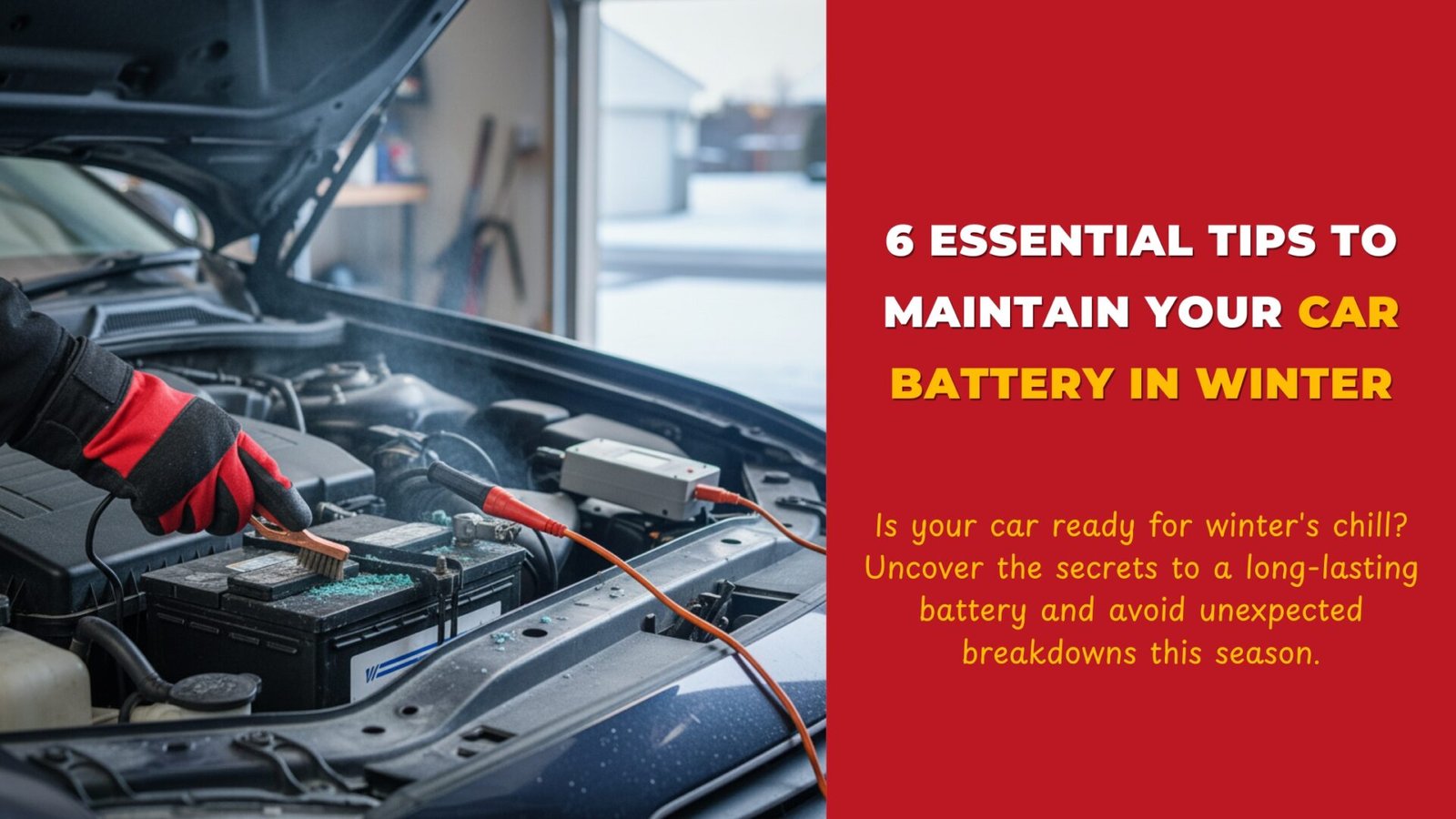
As the weather gets colder, car battery in winter works extra hard to keep your vehicle functional. Low temperatures make it more difficult for the battery to produce enough power to start your engine because the internal chemical reactions slow down. In fact, battery issues are the leading cause of vehicle breakdowns in winter, leaving countless drivers stranded on chilly mornings. A weak battery may still work fine in summer, but in freezing conditions, even a small drop in performance can stop your car from starting.
The good news is that you can take preventive steps to protect your car battery in winter and avoid being caught off guard. By following some simple care practices, you can ensure your battery remains strong throughout the season. In the sections below, we will explore the major causes of winter battery drain and provide essential tips to safeguard your vehicle from the challenges of a dead car battery in cold weather.
The Causes of Winter Battery Drain
In cold weather, engine oil thickens, making it harder for the starter motor to spin and start your engine. The battery has to deliver more power to turn over the sluggish, cold engine. This extra current drain can wear down your battery over time.
Low temperatures also slow down the chemical reactions inside the battery, reducing its ability to recharge. Battery performance drops significantly in the cold, which is why a battery that works fine in summer may struggle during winter.
Additionally, short daytime hours mean you likely won’t drive as many miles each day. Short trips and less road time give your alternator fewer opportunities to recharge the battery, leading to gradual discharge over time.
Simple Tips to Maintain Your Car Battery in Winter
Fortunately, a few simple maintenance steps can help you avoid being stranded with a dead car battery in cold weather. Following these six tips will ensure your car starts smoothly and your battery lasts longer:
1. Get Your Battery Tested Before Winter Sets In
A quick voltage test at any authorized auto shop or service center can show if your battery needs replacement. Most car batteries last about 3–4 years under normal conditions, but extreme cold can shorten their life. Proactively swapping it out before winter eliminates the risk of failure on freezing mornings. Early testing also helps detect weak spots, ensuring you’re not left stranded unexpectedly.
Tip: A resting voltage of 12.6V indicates a fully charged battery, 12.4V is around 75%, and below 12.2V may signal a weak battery that needs attention.
2. Clean Corroded Terminals and Connections
Check that battery cable connections are tightly fastened and free from corrosion. Loose or dirty terminals reduce the flow of electricity, making it harder for your car to start. If you notice a white or greenish buildup, clean the terminals thoroughly with a wire brush and reconnect them firmly. Keeping terminals clean improves performance and prevents long-term damage.
Safety Note: Always wear gloves and eye protection when cleaning battery terminals. Disconnect the negative terminal first to avoid short circuits.
3. Charge the Battery When Needed
If your battery voltage drops below 12.4V, use a trickle charger or battery maintainer to bring it back to a healthy level. Frequent small top-up charges extend battery lifespan, especially in cold climates where batteries recharge more slowly. Always disconnect the cables before charging to prevent short circuits.
4. Park in a Garage or Sheltered Area
Cold air drains batteries quickly, so keeping your car sheltered reduces the number of cold starts needed. If possible, park in a garage or cover your car with an insulating cover at night. For vehicles parked outdoors, start the engine at least once a week and let it idle for 10–15 minutes to prevent gradual discharge.
5. Replace the Battery When Changing the Alternator
Your alternator is responsible for recharging the battery while driving. If your alternator fails and needs replacement, it’s wise to replace the battery at the same time—even if the old one seems fine. A weak charging system strains the battery unnecessarily, leading to premature failure. Replacing both together ensures reliable performance and avoids repeated repair costs.
6. Disconnect or Use a Maintenance Charger for Stored Vehicles
If you own a seasonal vehicle, bike, or classic car that won’t be used during the winter months, disconnect the battery to prevent slow drain. Alternatively, use a battery maintainer or trickle charger that provides a gentle constant charge, keeping the battery healthy throughout long-term storage. This small step can save you from buying a new battery every season.
Conclusion
Winter weather can put significant stress on your car battery, making it more likely to fail when you need it the most. By following simple maintenance tips like testing your battery, cleaning terminals, keeping it charged, and parking in sheltered areas, you can ensure reliable starts and prevent unexpected breakdowns. Taking proactive steps now means a safer, hassle-free driving experience throughout the cold season.
For expert guidance and high-quality car batteries, Vaibhav Enterprises offers reliable products and professional advice to keep your vehicle running smoothly even in the harshest winter conditions. Don’t wait until your battery dies—contact us today and drive confidently all season long.
Follow us on Instagram: @batteryinudaipur